Warning: Undefined array key "post_type_share_twitter_account" in /var/www/vhosts/casinonewsblogger.com/public_html/wp-content/themes/cryptocurrency/vslmd/share/share.php on line 24
If you mostly play online poker, live tournaments can feel like a completely different game.
One of the biggest adjustments? Open sizing.
While online players have largely settled on smaller opens between 2x and 2.5x, live tournament fields still love making it 3x preflop, especially at lower and mid-stakes buy-ins. But how much should you actually change your strategy against those bigger sizings?
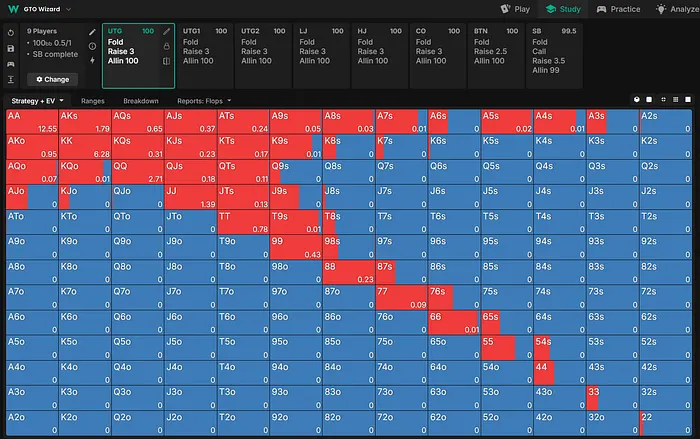
Using GTO Wizard’s new multiway preflop AI solver, a series of tests were run across multiple stack depths on GTO Wizard to see exactly how ranges change when facing 3x opens compared to more standard online sizings.
The biggest takeaway? Players, particularly those in the blinds, need to fold far more often than many live players realize.
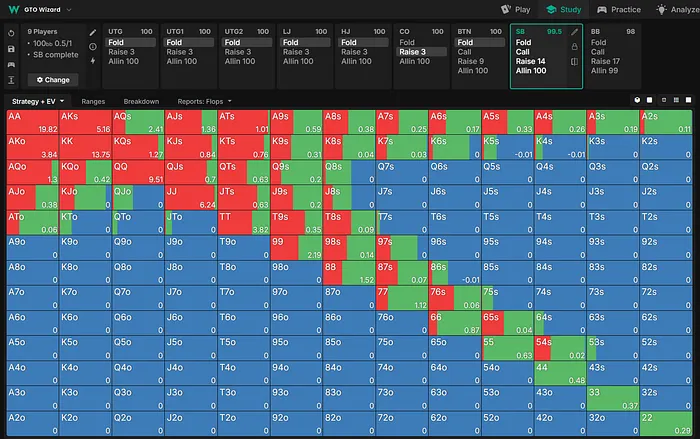
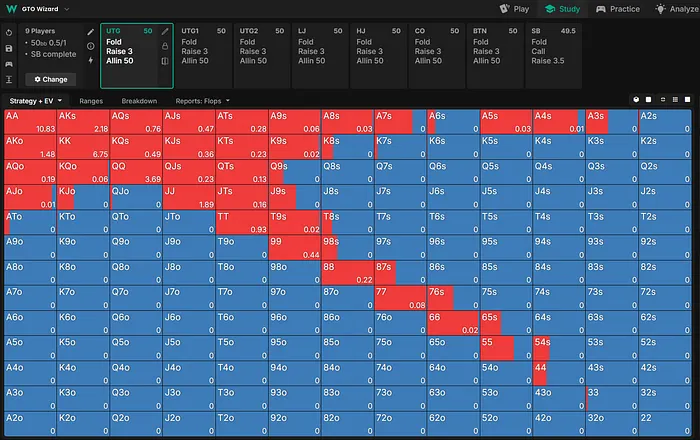
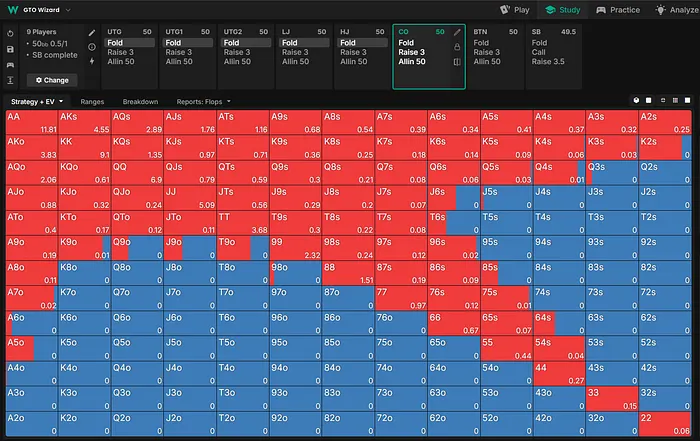
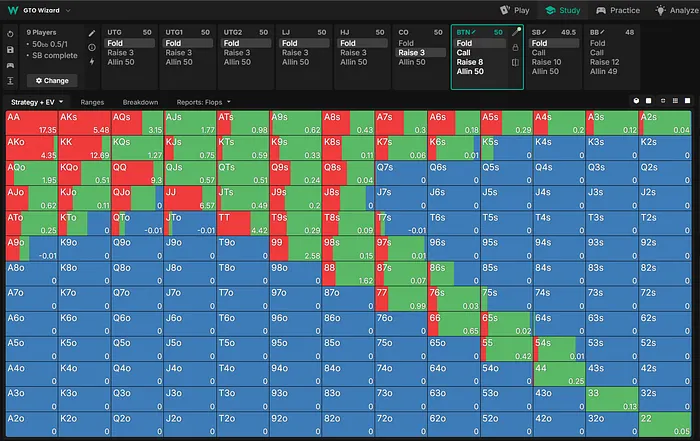
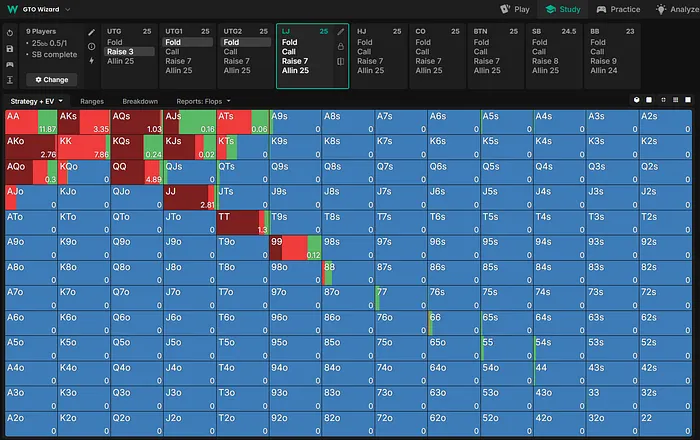
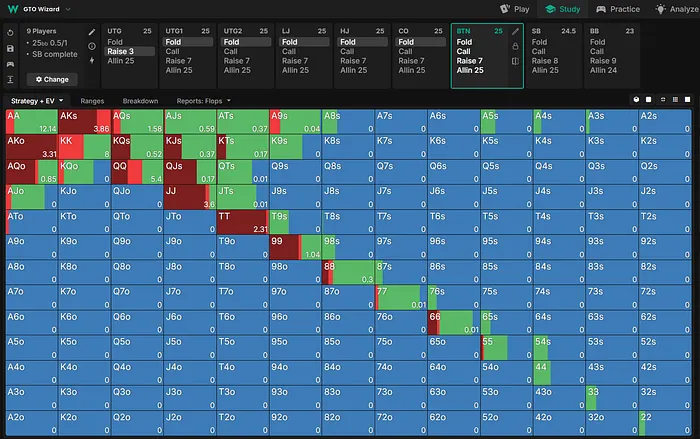
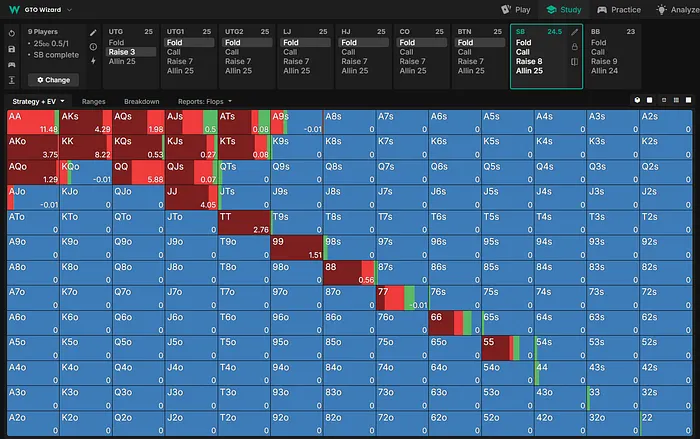
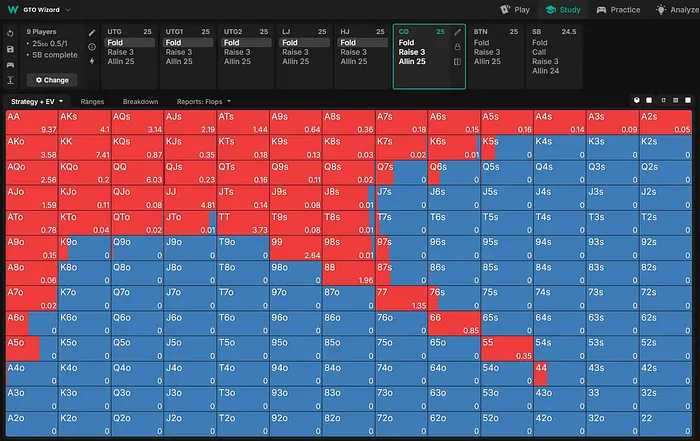
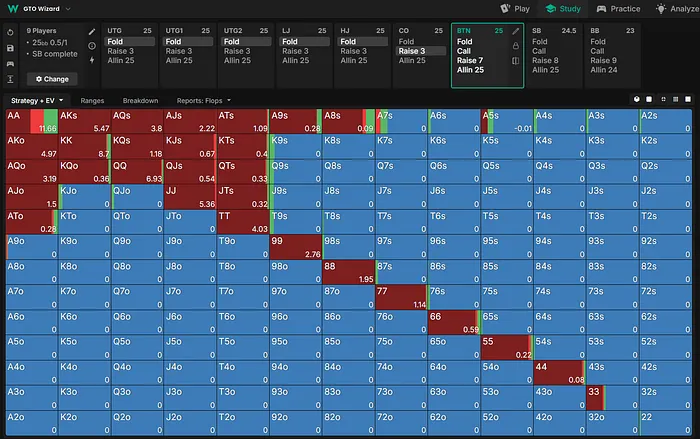
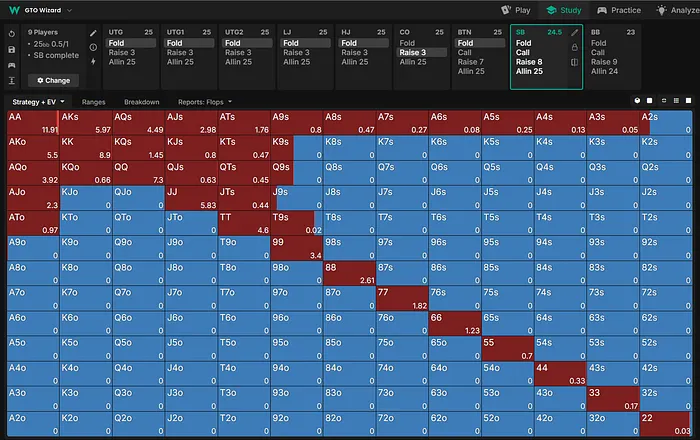
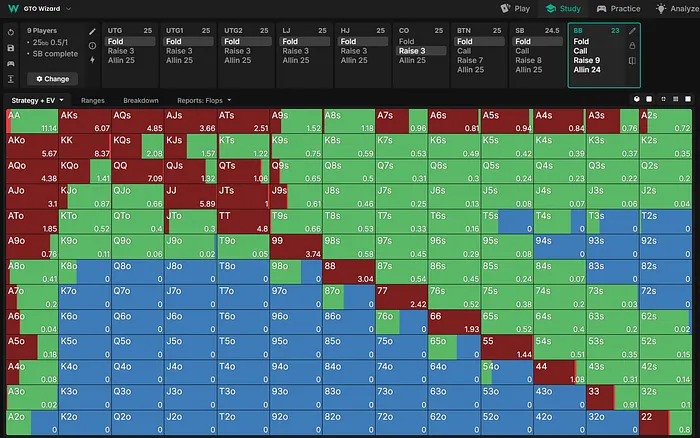
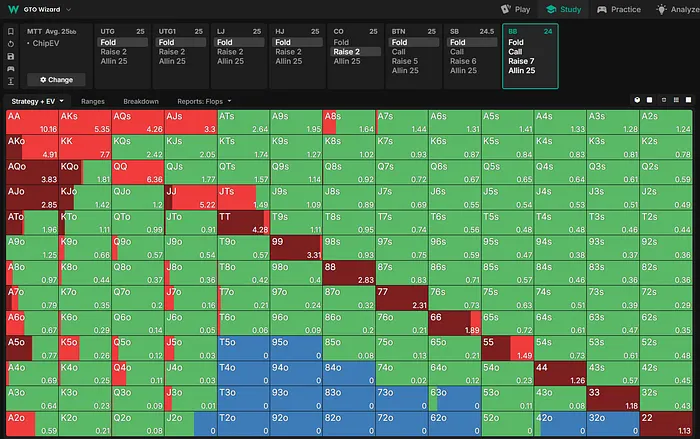
All range charts at each of the mention stack depths are at the bottom of the article.
The Big Blind Gets Punished Hard
The most striking adjustment came from the big blind facing UTG (under-the-gun) opens.
At 100 big blinds deep, the solver folded 72.6% of hands against a 3x UTG open. Against a 2.1x open, that number dropped all the way to 37.3%.
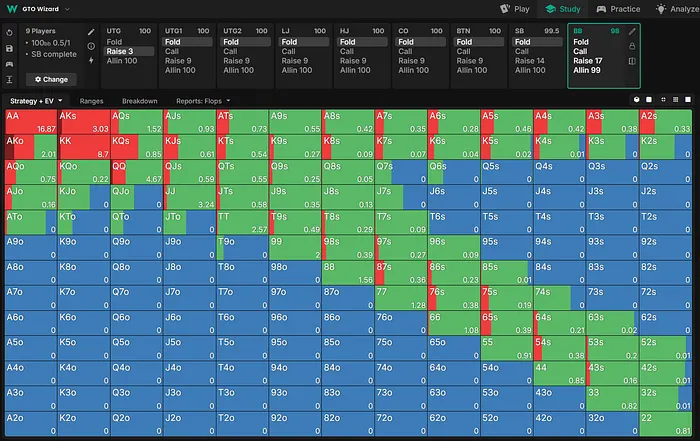
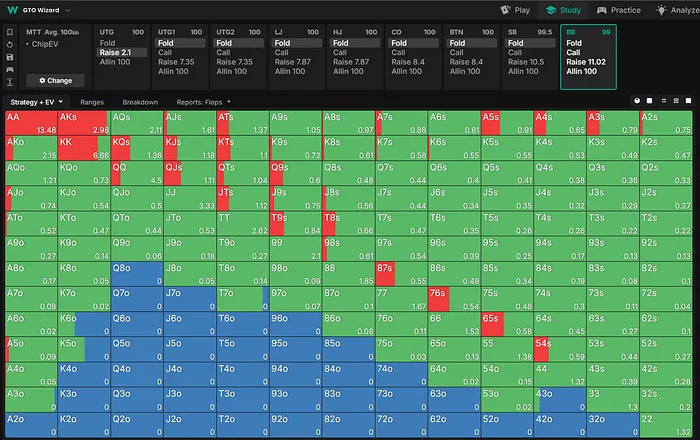
That’s an enormous difference but the reason is straightforward as it just comes down to pot odds.
Against a smaller open, the big blind is simply getting a much better price to continue. Once the open size jumps to 3x, a huge chunk of those marginal continues disappear, especially against a strong UTG range and while playing out of position postflop.
The same pattern appeared across every stack depth tested.
At 50 big blinds:
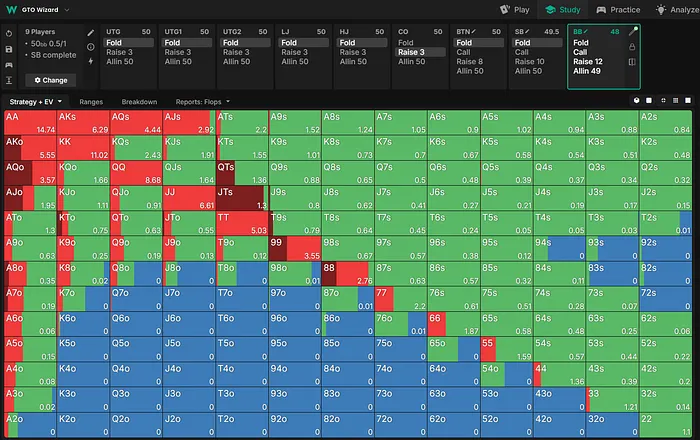
- BB vs UTG 3x open: 72.7% folding
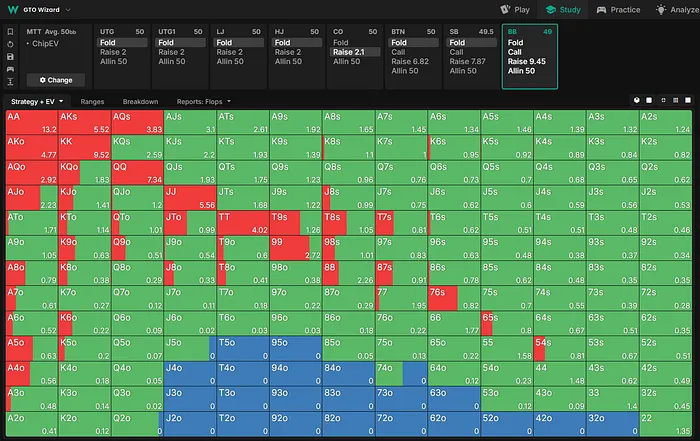
- BB vs UTG 2x open: 32.2% folding
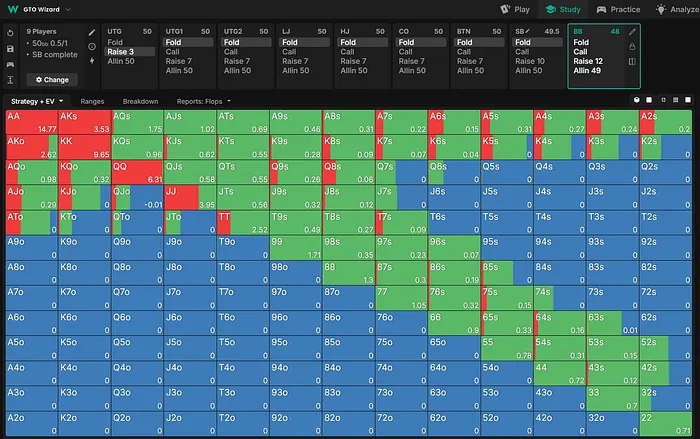
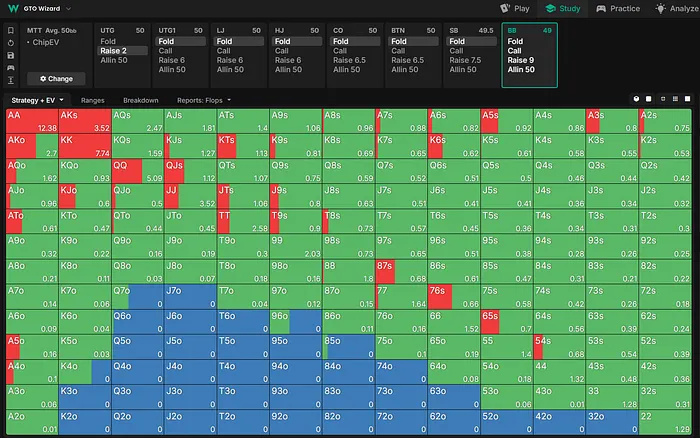
At 25 big blinds:
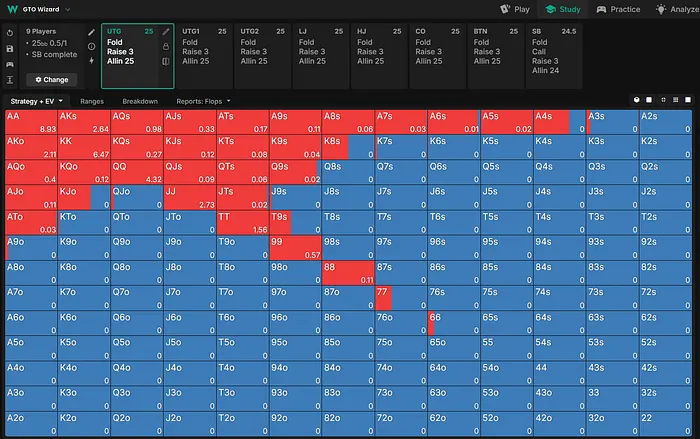
- BB vs UTG 3x open: 71.4% folding
- BB vs UTG 2x open: 27.4% folding
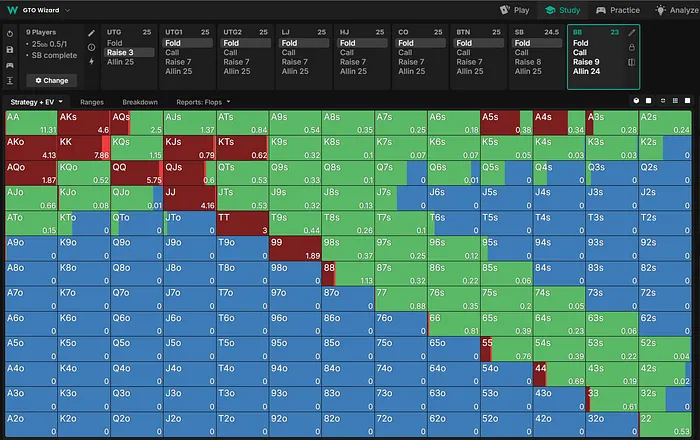
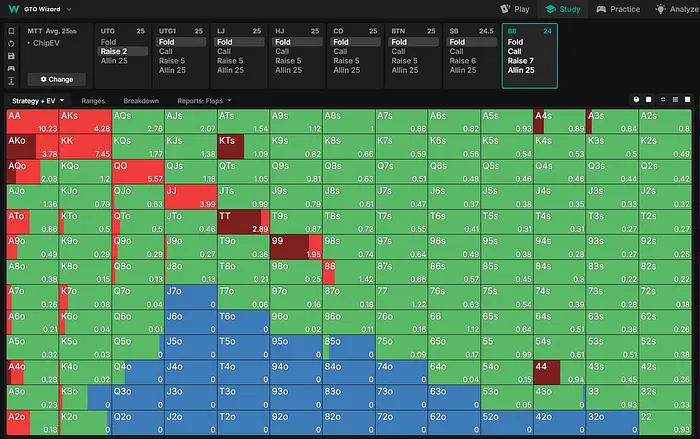
The lesson is clear. You cannot defend versus live 3x opens the same way you would against standard online sizings.
Position Still Matters
The changes were less extreme against later position opens, but the adjustment was still significant.
Facing a cutoff 3x open at 100 big blinds, the big blind folded 46.9% of hands compared to just 22.7% versus a 2.1x open.
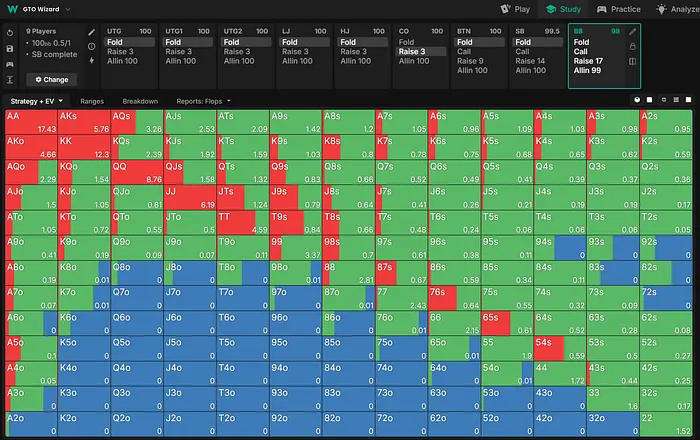
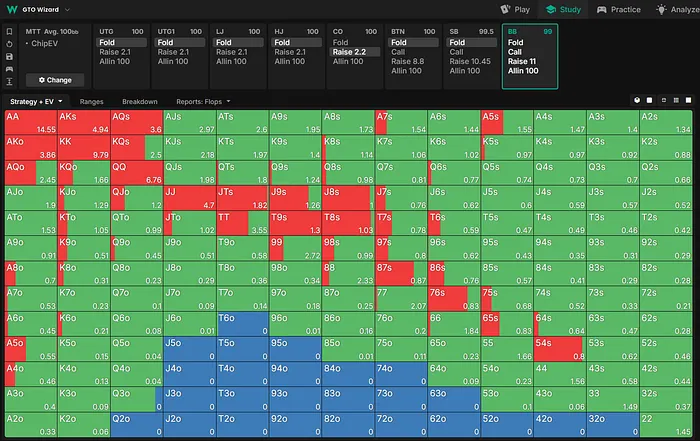
That gap shrinks because the cutoff is opening a much wider range than UTG, which allows the big blind to continue more aggressively with hands that retain enough equity.
Still, the solver consistently tightened up against larger sizings, regardless of position.
Even the button, which benefits from position postflop, had to make substantial adjustments. Against a 100bb UTG 3x open, the button folded 82.7% of hands. Against a 2.1x open, it folded 75.2%.
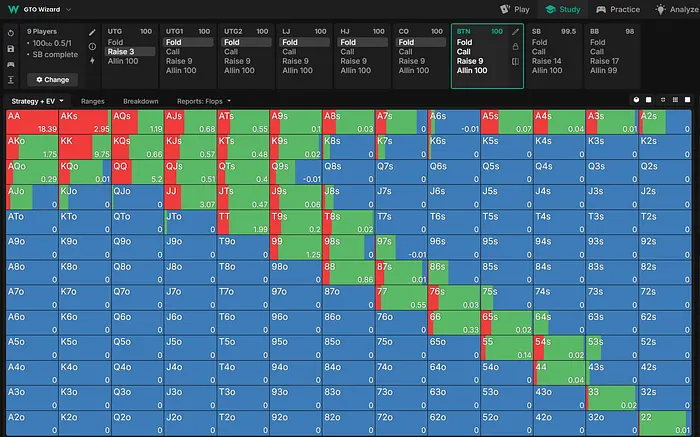
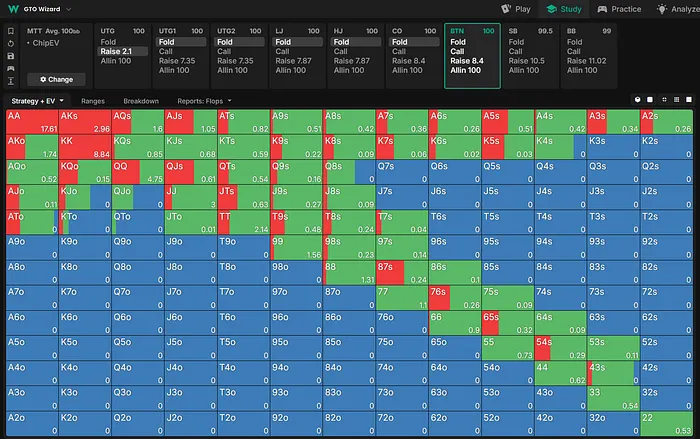
That’s a sizable change for a position traditionally expected to defend wide.
Shorter Stacks Mean More Aggression
As stack depths became shallower, the solver shifted toward more aggressive strategies.
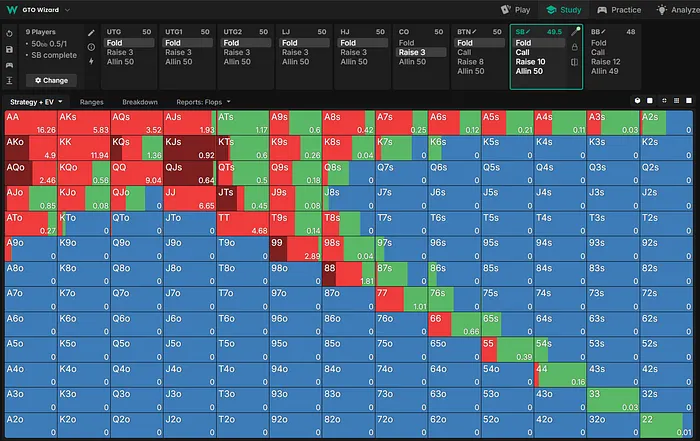
At 50 big blinds, the solver preferred smaller three-bet sizings compared to 100bb play:
- LJ (lojack) vs UTG: 7bb three-bets
- SB (small blind) vs UTG: 10bb three-bets
- BB (big blind) vs UTG: 12bb three-bets
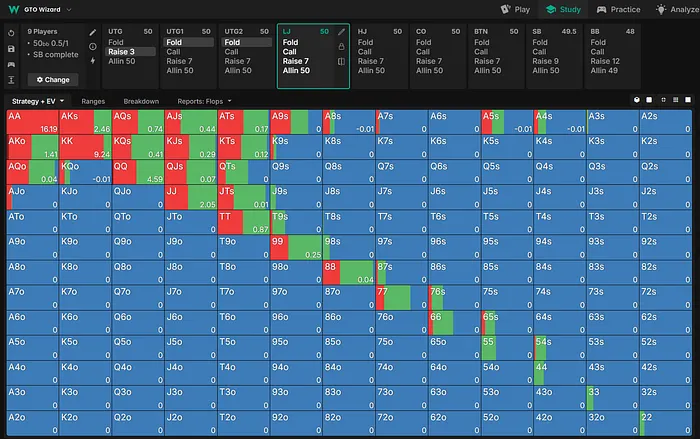
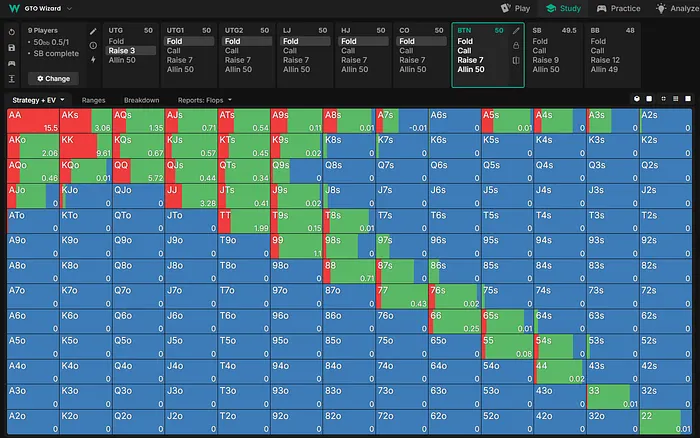
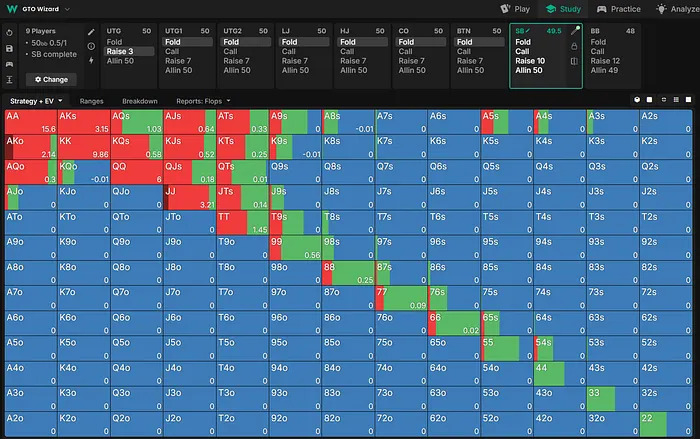
At 25 big blinds, flat calling started disappearing altogether in several spots.
Facing a 3x UTG open from the small blind, the solver recommended a pure three-bet-or-fold strategy. Calling out of position against a strong range while leaving the door open for a squeeze from the big blind simply became too difficult to realize equity profitably.
The button also moved away from flatting at shallower depths. With stack-to-pot ratios shrinking dramatically after a 3x open, the solver preferred either folding or taking aggressive preflop actions instead.
One particularly interesting adjustment came from the small blind against cutoff opens at 50bb. The solver began introducing all-ins against the larger 3x sizing, recognizing that the extra dead money in the pot made shoving more profitable.
Live Players Defend Too Wide Against 3x Opens
The overall conclusion from the data is hard to ignore. It clearly shows that many live players continue defending against 3x opens as though they’re facing standard online sizings. The solver strongly disagrees.
The biggest adjustment comes from the blinds, where defending frequencies tighten dramatically due to the worse pot odds and difficulty of realizing equity out of position. Against stronger ranges like UTG, those changes become even more pronounced.
Meanwhile, shallower stack depths push strategies toward more three-betting and fewer calls, especially against larger opens that rapidly lower the stack-to-pot ratio.
To keep things simple, just remember that when live players make it 3x, you should usually be continuing much tighter than you think.
Key Takeaways
- Players need to defend far tighter against 3x opens than standard online sizings.
- The biggest adjustment comes from the big blind, where folding frequencies increase dramatically.
- UTG 3x opens apply enormous pressure because the opening range is already strong.
- Against wider cutoff ranges, players can still continue more often, though still tighter than versus smaller opens.
- Shallower stacks encourage more aggressive preflop strategies with increased three-betting and fewer flat calls.
- Treating a 3x live open the same as a 2x online open is a costly mistake.
100BB Ranges
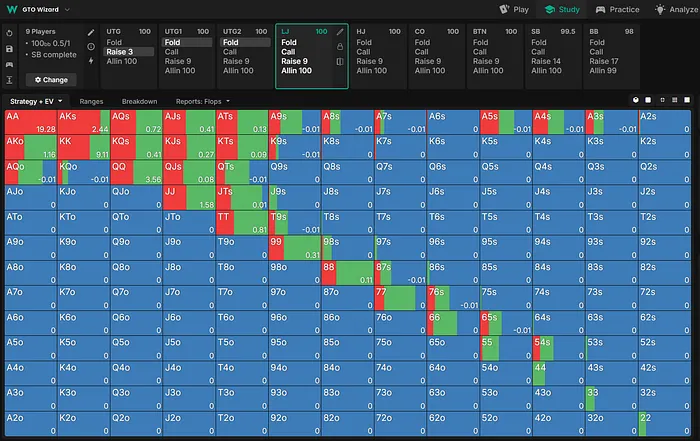
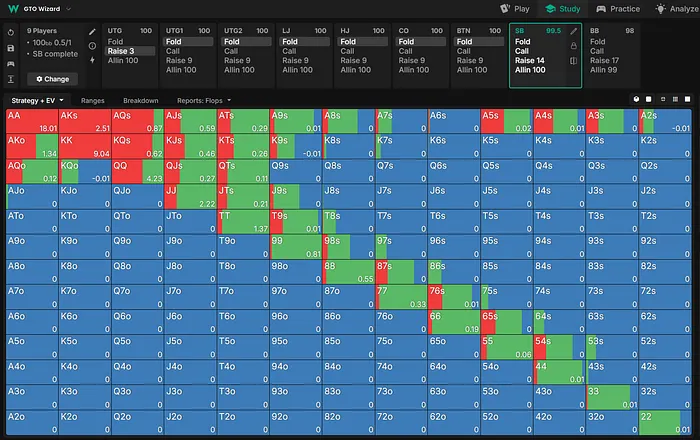
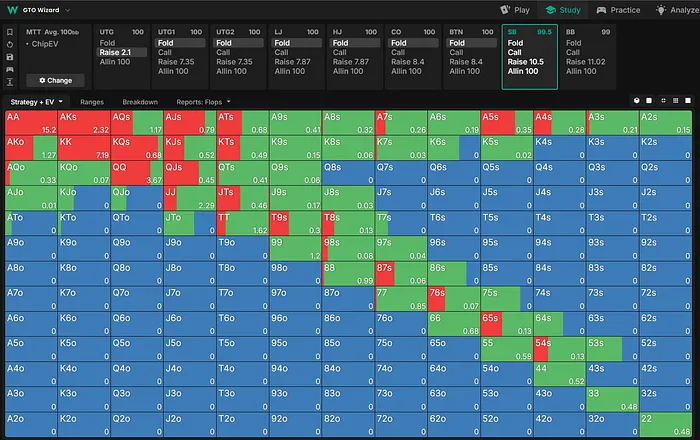
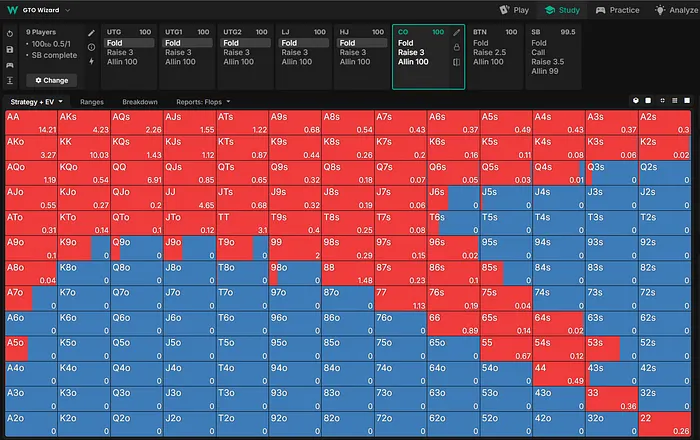
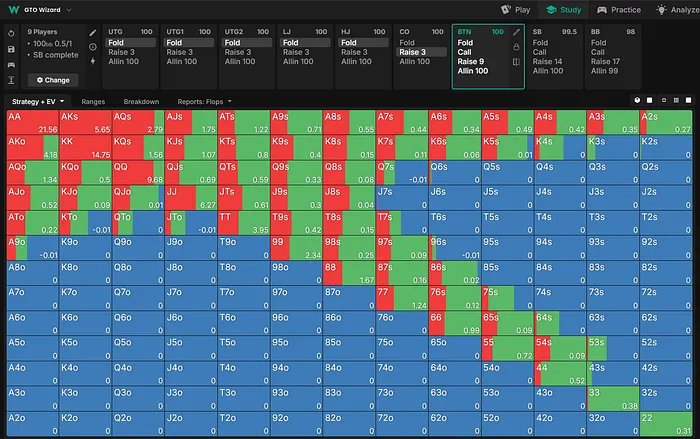
50BB Ranges
25BB Ranges


WPT Global Streamer