Warning: Undefined array key "post_type_share_twitter_account" in /var/www/vhosts/casinonewsblogger.com/public_html/wp-content/themes/cryptocurrency/vslmd/share/share.php on line 24
Posted on: March 10, 2026, 06:21h.
Last updated on: March 10, 2026, 06:21h.

- Benny Binion’s former house still stands today as a silent witness to the cowboy gangster’s colorful history
- It served as the staging ground for Binion’s legendary gambling industry innovations and the boyhood home of Ted Binion
- A devastating 1990 fire left the historic Westside property boarded up and uninhabitable
In a first for this column, we’re spotlighting a relic of old Las Vegas that still stands — though barely. Benny Binion’s burned-out ranch can be found in the Historic Westside — a physical reminder of the cowboy gangster who cast modern Las Vegas in his own image.
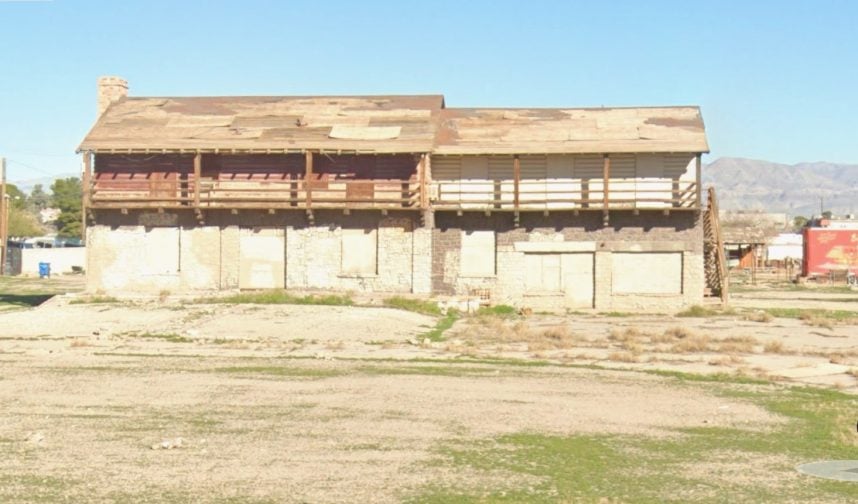
In 1947, freshly arrived from Dallas with suitcases of cash, Binion bought one of the biggest existing houses in Las Vegas for his wife, Teddy Jane, and their five children — Ted, Jack, Becky, Brenda, and Barbara — for $65,000.
A powerful figure in the illegal Dallas gambling scene, Binion had been embroiled in a violent turf war with the Chicago-linked Lombardo gang and a new, unfriendly sheriff (Bill Decker) who made Texas too hot to handle.
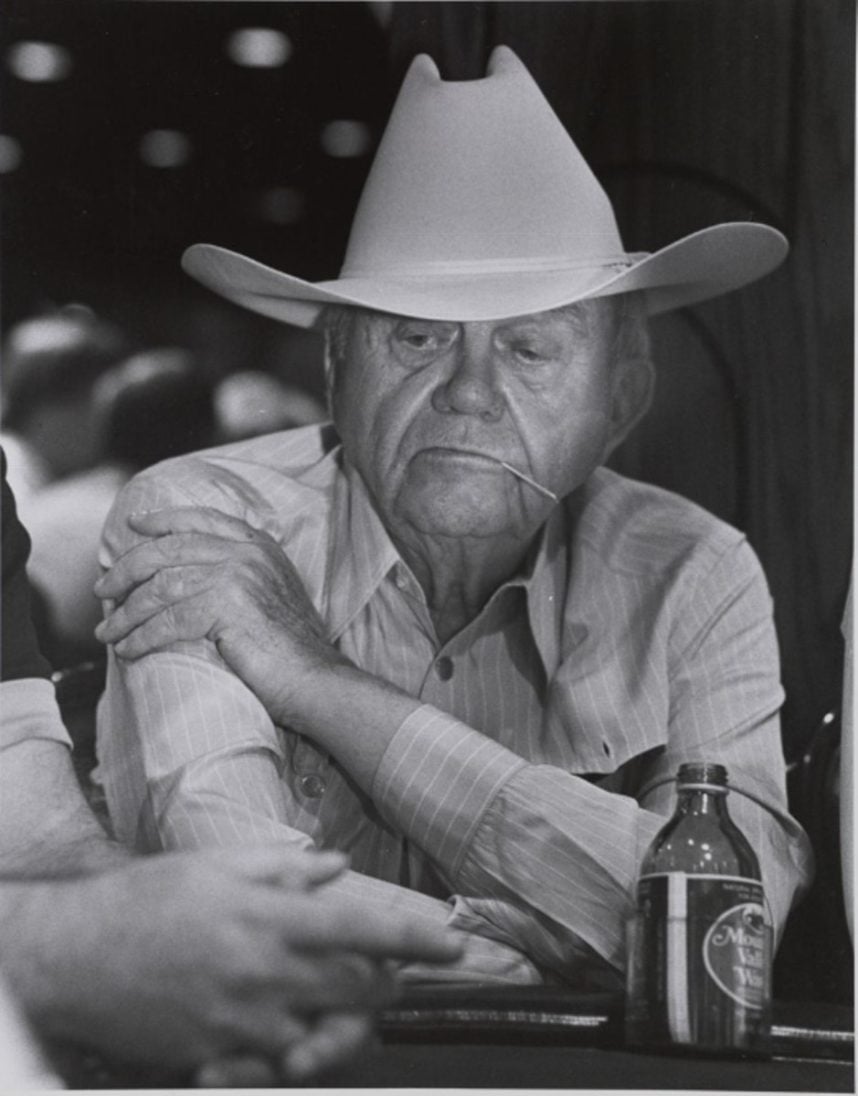
He had already been convicted of murder in 1931 for shooting a rumrunner named Frank Bolding, receiving only a two-year suspended sentence because of the victim’s own violent reputation. Five years later, he killed Ben Frieden, a rival numbers operator, but was cleared on the grounds of self-defense. (Binion shot himself in the shoulder to help bolster his claim.)
Former Dude Ranch
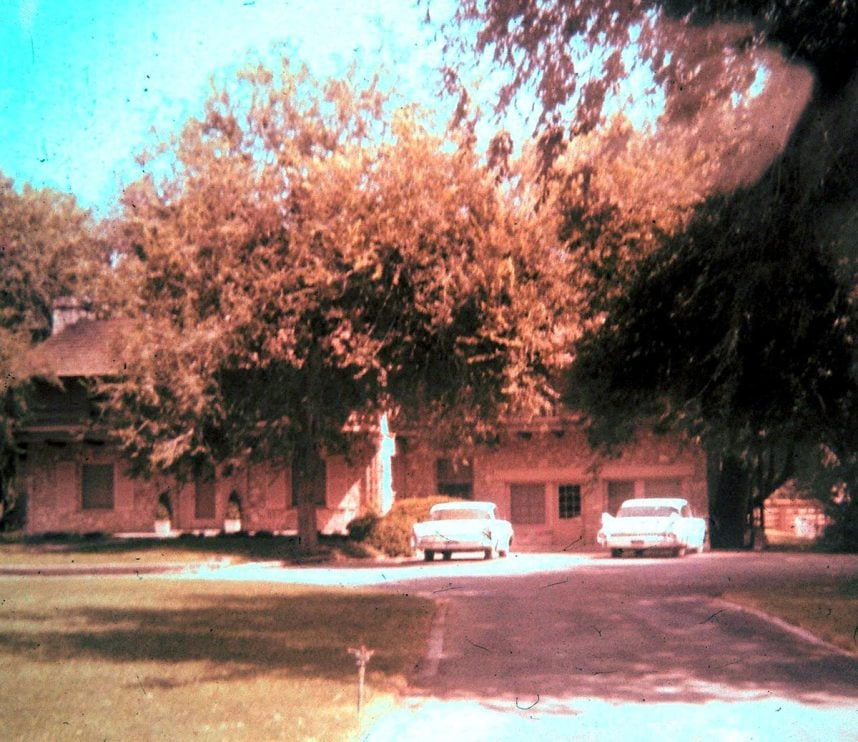
Built in 1942 by service station owner C.A. Morehouse, the future Binion House had three bedrooms, several baths, a large basement, guesthouse and swimming pool.
Before Binion, it had served as a dude ranch where socialites seeking a quickie divorce could establish their six-week Nevada residency requirements.
It was inside its now boarded-up rooms that Binion hosted gatherings with the gangster founders of modern Las Vegas, serving them steaks sourced from his own cattle, and came up with the concepts of high-limit betting and the World Series of Poker — innovations that forever changed Las Vegas.
The house also bore silent witness to the family’s darkest early chapter. It was home base during the three-and-a-half years Benny served at Leavenworth Penitentiary in Kansas for tax evasion related to his Texas gambling.
To fund his $5 million in legal fees and back taxes, Binion was forced to sell his majority interest in his beloved Horseshoe Club. Though his family eventually regained full control of it in 1964,
Binion’s felony conviction permanently barred him from holding a Nevada gaming license. For the rest of his life, Benny technically served as a “consultant” at the Horseshoe, though everyone knew he was really the one in charge.
The Binions lived at the house until 1974, though they retained ownership and used the property to house their horses.
Benny died from heart failure at age 85 on Christmas Day 1989. Left as an abandoned time capsule, his former house was full of antiques and family heirlooms that were destroyed five months later, in a fire that also rendered the house uninhabitable.
In 1997, a year before Ted’s murder, his girlfriend Sandra Murphy was reportedly caught tearing out walls in the boarded-up house, allegedly searching for hidden cash or valuables Ted might have stashed there.
In 2001, Benny’s daughter, Becky Binion Behnen, proposed converting the house and its property into a “Teddy Jane and Benny Binion” park and museum. But her surviving siblings sued to prevent it.
The site is currently a designated stop on the city of Las Vegas’ Pioneer Trail, though it was never protected from demolition by a listing on the National Register of Historic Places.
“Lost Vegas” is an occasional Casino.org series spotlighting Las Vegas’ forgotten history. Click here to read other entries in the series. Think you know a good Vegas story lost to history? Email corey@casino.org.