Warning: Undefined array key "post_type_share_twitter_account" in /var/www/vhosts/casinonewsblogger.com/public_html/wp-content/themes/cryptocurrency/vslmd/share/share.php on line 24
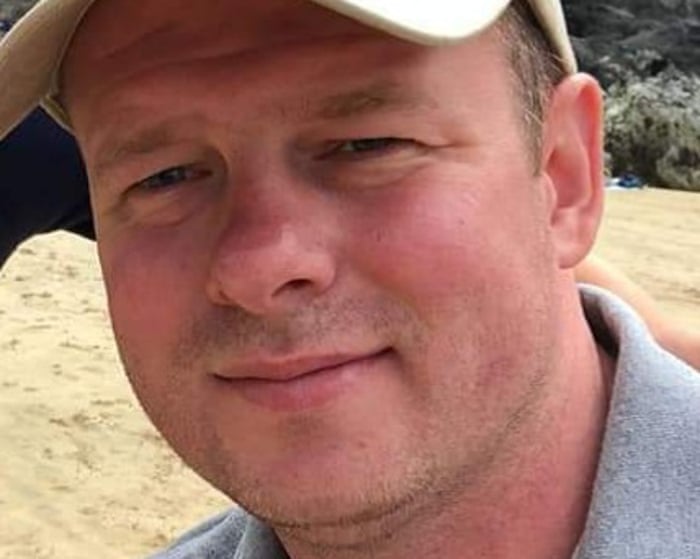
The widow of a gambling addict who took his own life after falling £18,000 into debt begins a legal claim on Thursday against Betfair that could have far-reaching consequences for the UK’s gambling industry.
Luke Ashton, 40, from Leicester, died in April 2021 after suffering from a gambling disorder that led him to place thousands of bets with the company, which sent him promotional “free” bets.
Lawyers for the Ashton family allege that Betfair was negligent because it failed to intervene as his losses increased, rendering the company liable for his death on the basis it breached its duty of care.
Success in the claim would establish for the first time that a betting operator owed a duty of care to customers showing signs of problem gambling.
In a defence submitted to the high court, Betfair, part of the £13bn international gambling firm Flutter, denied it owed Ashton any duty of care.
It said he had not informed the company he had a gambling disorder and that his financial losses were caused by his “own contributory negligence” and external mental health factors.
Ashton signed up for temporary exclusions from gambling with Betfair three times, but returned to betting each time they ended, going on to lose £21,777 over three years.
In March 2021, after his gambling intensified when he was furloughed during the pandemic, he placed more than 1,000 bets and made a net loss of £5,500.
According to the claim, the volume of “free” bets he received also increased during this period, the month before his death.
Betfair’s lawyers say Ashton would have lost the money with another operator if he had not done so with the company, which had rigorous safer gambling checks in place.
The Ashtons are seeking damages of £846,478, which includes the money Betfair made from Luke and financial losses such as the earnings he would have provided to his family had he lived.
Lawyers for Leigh Day, acting for the Ashton family, will seek to establish that Betfair had a duty of care to Ashton that it failed to meet.
Previous similar claims seeking to hold firms liable for failing to prevent large losses by customers with a gambling problem have failed.
If the Ashtons’ case is successful, it could pave the way for millions of pounds in new claims against the UK gambling industry, which earned more than £12bn from British customers last year.
An estimated 1.4 million adults in Britain have a gambling problem, according to a study for the Gambling Commission last year, using new methodology that has led to a higher estimate of the extent of the issue.
In 2023, a coroner criticised Betfair for its part in Ashton’s death, noting that “more efforts to intervene or interact should have been made”.
Ashton volunteered for a six-month self-exclusion from betting in 2017. He later opted out of receiving promotional material from Betfair Exchange, the company’s peer-to-peer betting platform.
The opt-out, however, did not extend to promotions available on other parts of the Betfair website and app, where he took part in several “free bet” or cashback offers between 2018 and 2021.
The 2023 inquest heard that Ashton had left notes for his wife and children before his death that twice mentioned gambling and admitted he had “demons”.
A spokesperson for Flutter said: “We reiterate our sincere condolences to Mrs Ashton and her family over this tragic case. Unfortunately, we are unable to comment further at this time because of the legal proceedings.”