Warning: Undefined array key "post_type_share_twitter_account" in /var/www/vhosts/casinonewsblogger.com/public_html/wp-content/themes/cryptocurrency/vslmd/share/share.php on line 24

The nine players at the final table of the 2026 WSOP Main Event have had almost two weeks to digest the fact that poker immortality is within their grasp.
But there are still eight massive pay jumps still to navigate before they can think about walking away with a $10,000,000 first-place prize.
As they prepare for play to resume under the lights of ESPN on August 3, every player has a distinct tactical nightmare to resolve during this break.
Here is the one critical thing each of the final nine players needs to worry about before the cards get back in the air.
Seat 1: Lauri Saaskilahti (Finland) — 37.5M Chips (25 BB)
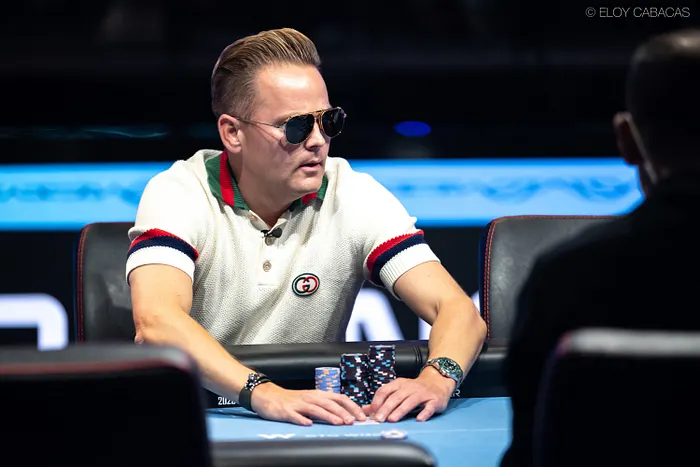
The Worry: Getting squeezed by Gagliano while trying to outplay the leader.
Having the runaway chip leader, Lucas Jumalon, directly on your right is usually a dream because you get to act after him. However, if Jumalon opens wide, Saaskilahti doesn’t have the stack depth to flat-call and play post-flop.
Worse, Michael Gagliano is sitting directly on his left and, at the start of play at least, covers Saaskilahti. The Finn has to worry about Gagliano using his position to re-raise and squeeze him out of pots whenever Saaskilahti tries to play back at the chip leader.
Seat 2: Michael Gagliano (United States) — 46.5M Chips (31 BB)
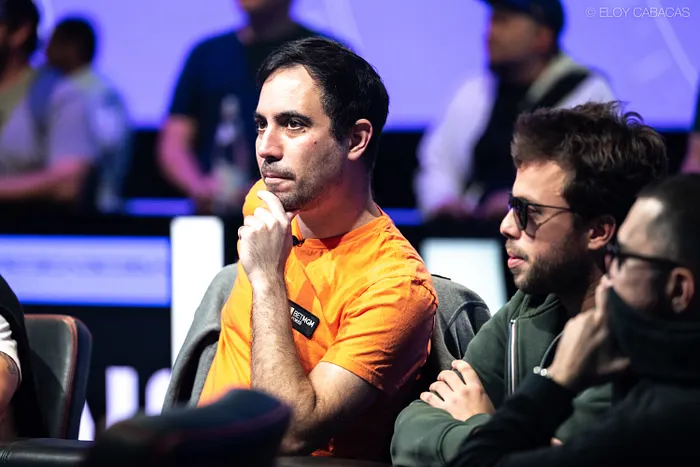
The Worry: Being forced to play first against the aggressive middle stacks.
As mentioned, Gagliano has a great seat to torment Saaskilahti, but whenever the action folds to him, he faces a wall of competent, similar-sized stacks in Mario Boos and Greg Mueller. Because they have position on him, Gagliano has to worry about his opening ranges from early– or middle-position being heavily punished by the players on his left, who can easily flat or three-bet him in position.
What he should do: Tighten early-position opening ranges and use block bets post-flop. Because Boos and Mueller have position on him, Gagliano should avoid playing bloated pots out of position with marginal hands. When he does enter a pot, he should use smaller, defensive post-flop bet sizings to control the size of the pot and prevent the aggressive middle stacks from raising him off his equity.
Seat 3: Mario Boos (France) — 44.0M Chips (29 BB)
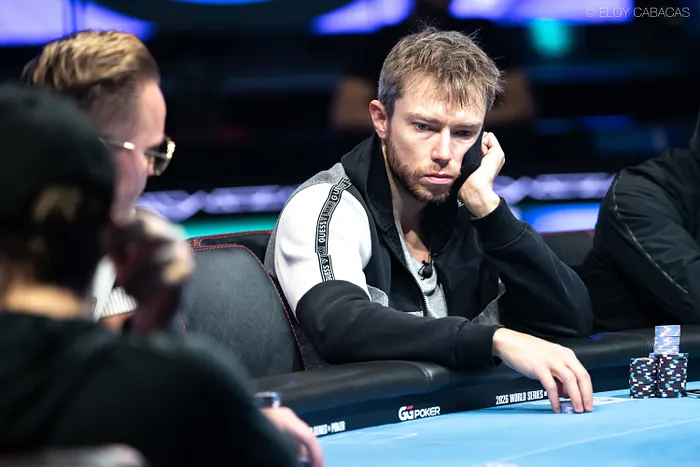
The Worry: The “Sandwich Effect” from Greg Mueller.
Mario Boos has a healthy enough stack to play some real poker, but he is sandwiched between Gagliano and Mueller. Therefore, Boos can’t blindly attack Gagliano without risking Mueller playing back at him. Boos needs to worry about shrinking his opening ranges from middle position so he doesn’t get caught in crossfire between two experienced North American pros.
What he should do: Incorporate trap-checking lines with strong hands. Knowing that Mueller is sitting on his left eager to use his position, Boos should occasionally check big hands (like top pair or overpairs) after a pre-flop raise instead of automatically betting. This baits an aggressive player like Mueller into firing a bluff, turning Mueller’s positional aggression against him.
Seat 4: Greg Mueller (Canada) — 48.5M Chips (32 BB)
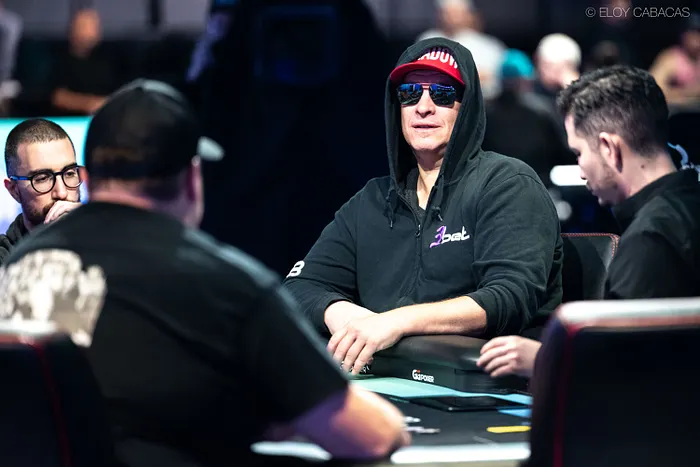
The Worry: Shaevel holding the hammer on his left.
Mueller is a former NHL player who loves to dictate the pace of play. But he has a major obstacle: Jamie Shaevel is sitting directly to his left in Seat 5 with a larger stack. Every time Mueller wants to pull a creative bluff or open a wide range, Shaevel has the chip leverage to make his life miserable. Mueller has to worry about adjusting to an aggressive left-hand neighbor who caps his freedom.
Seat 5: Jamie Shaevel (United States) — 56,000,000 (37 BB)
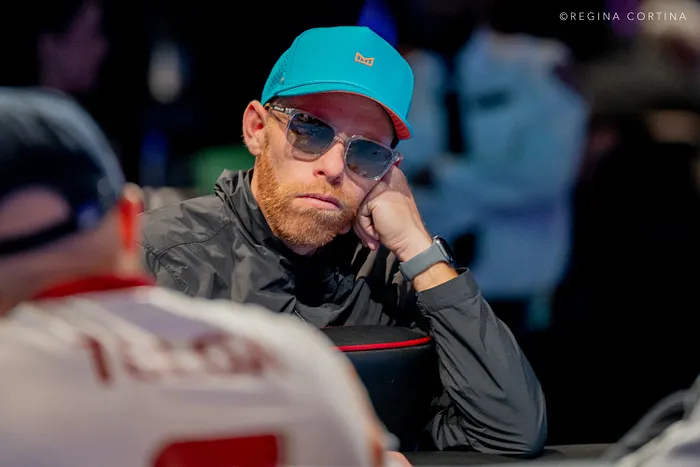
The Worry: Navigating the minefield of short-stack shoves.
Shaevel has a fantastic stack and position on Mueller, but the table dynamic shifts dramatically right after him. Sitting in Seats 6 and 8 are the short stacks (Han Feng and Evagoras Evagorou). When Shaevel wants to open-raise to pick up dead money, he has to worry about pricing himself into calling a 15–17 BB shove from the shorties, risking a significant portion of his healthy stack.
What he should do: Raise with intention and adjust sizes to cater to the short stacks. When Shaevel wants to open-raise with a premium hand, he should make his sizing slightly smaller to induce a wider, worse shove from Feng or Evagorou. If he holds a speculative hand like a suited connector, he should simply fold to avoid getting forced into a tough call by a short-stack jam.
Seat 6: Han Feng (United States) — 25,000,000 (17 BB)

The Worry: Getting a well-timed shove though.
With 17 big blinds, Han Feng is in “push-or-fold” territory. His primary worry during the layoff is studying short-stack shoving ranges perfectly, but specifically through the lens of who is in the big blind. Sitting just to his left in Seat 7 is Rami Hammoud, who holds a massive 53 BB stack, with the overall chip leader Lucas Jumalon just two seats over from him.
Both have the chips to call Feng’s all-ins lighter than anyone else. Feng has to worry about timing his shoves so he doesn’t walk right into a wide-calling big stack.
Seat 7: Rami Hammoud (Canada) — 79,000,000 (53 BB)
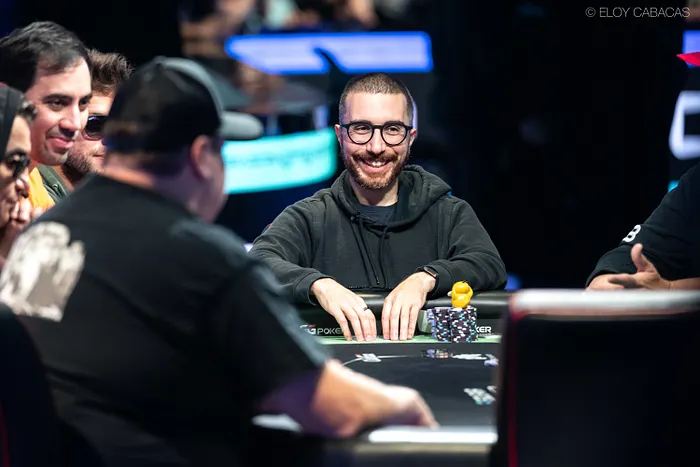
The Worry: Getting trapped between desperate short stacks.
Hammoud is in second place, but his position is awkward. He acts right after Han Feng (17 BB) and right before Evagoras Evagorou (15 BB). If Feng shoves, Hammoud has to decide whether to risk chips calling. If Hammoud just opens, Evagorou acts right behind him with a perfect re-shoving stack. Hammoud has to worry about navigating these two short-stack landmines without bleeding away his second-place advantage.
What he should do: Widely isolate Feng, but fold the small blind to Evagorou. Hammoud should use his massive stack to raise over Feng’s limps or flat-calls to isolate him playing heads-up. However, when the action folds to Hammoud in the small blind, he should refrain from playing loose against Evagorou, who has a premier re-shoving stack right behind him.
Seat 8: Evagoras Evagorou (Cyprus) — 22,500,000 (15 BB)
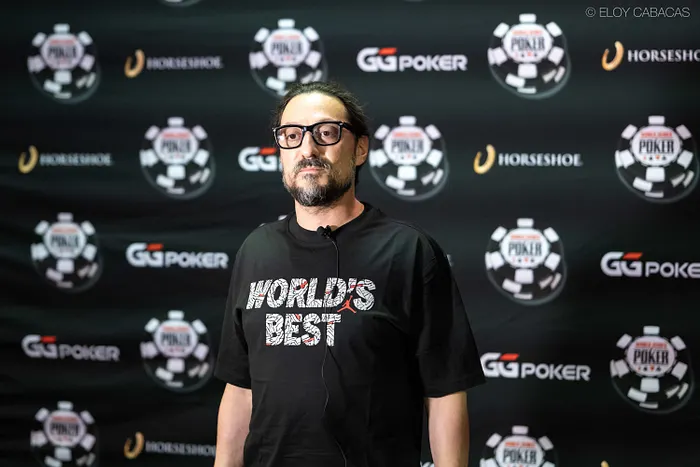
The Worry: Lucas Jumalon on his immediate left.
Evagorou has the toughest seat at the table. Not only is he the shortest stack with just 15 big blinds, but the absolute worst thing that can happen to a short stack has happened to him: Lucas Jumalon (129 BB) is sitting directly to his left in Seat 9. Anytime Evagorou wants to steal the blinds, Jumalon can effortlessly call or re-shove to price him out. Evagorou needs to worry about finding any spot at all to accumulate chips without getting instantly chopped up by the leader.
Seat 9: Lucas Jumalon (United States) — 194,000,000 (129 BB)
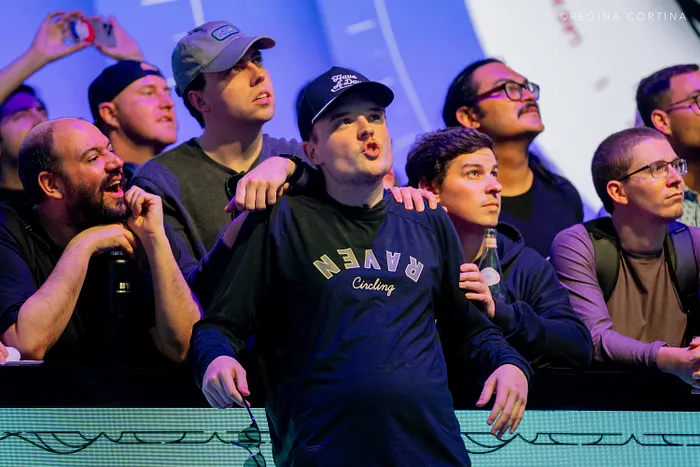
The Worry: The ghost of “November Nines” past.
With 129 big blinds, 22-year-old Lucas Jumalon holds a historic, towering chip lead. He has more chips than the bottom five stacks combined. Statistically, the tournament is his to lose. And that is exactly what he has to worry about. History shows that massive chip leaders often struggle to maintain their momentum as opponents hire coaches and dissect their play.
Jumalon’s biggest worry isn’t any single player; it’s navigating the immense psychological pressure of a three-week layoff while keeping his foot firmly on the gas.
What he should do: Over-fold to 3-bets from Saaskilahti and Gagliano. Jumalon’s priority is protecting his historic lead. He should continue to raise frequently to steal blinds, but the moment Saaskilahti or Gagliano play back at him with a 3-bet or a jam, Jumalon should comfortably fold his weak/marginal opens. He does not need to win every pot to win the tournament.


Managing Editor