Warning: Undefined array key "post_type_share_twitter_account" in /var/www/vhosts/casinonewsblogger.com/public_html/wp-content/themes/cryptocurrency/vslmd/share/share.php on line 24
Experienced players often keep only the funds they need online to reduce their exposure if an operator fails or restricts withdrawals. When moving a bankroll into casino games, flashy graphics and oversized welcome offers should therefore be secondary considerations.
The operator’s identity, license, withdrawal rules, verification process, game information and player-protection tools matter far more. A seemingly valuable bonus can quickly become a liability if its terms limit access to deposited funds or winnings.
This seven-point checklist focuses primarily on casinos licensed to serve players in Great Britain. Requirements differ between jurisdictions, so players should always verify the rules that apply where they live.
Why Poker Players Should Vet a Casino Before Depositing
Opening a casino account means trusting an operator with deposited funds, personal information, identity documents, payment details and access to future withdrawals.
Poker players already understand the value of checking a room’s ownership, rake, cashier rules and reputation before committing a bankroll. The same level of scrutiny should be applied to online casinos.
No license can guarantee perfect service or instant withdrawals. However, checking these seven areas can reduce the risk of depositing with an unlicensed, poorly governed or unfairly operated platform.
Red Flag #1: The Casino’s License Cannot Be Verified
A regulatory logo in a website footer is not enough to prove that an operator is licensed. Fraudulent sites can copy logos, license numbers and branding from legitimate businesses.
Before depositing, confirm that the site is a licensed online casino authorized to accept players in your jurisdiction. Match its legal operator, license number and domain against the regulator’s official register.
Check:
- The legal company name behind the casino
- The trading name used on the website
- The license or account number
- The exact registered domain
- Whether the license is active
- Which gambling products the operator may provide
If the company, license and domain do not match the regulator’s records, do not deposit until the discrepancy has been resolved.
Players should also review the operator’s customer-funds disclosure. UK-licensed operators that hold customer balances must explain the level of protection those funds would receive if the business became insolvent.
The disclosure may classify funds as not protected, medium protection or high protection. Even when player funds are kept separately from operating money, repayment is not always guaranteed if the company fails.
Red Flag #2: Withdrawal Rules Are Vague or Restrictive
Players often examine how quickly they can deposit without giving the same attention to withdrawals. Before funding an account, read the cashier rules and general terms carefully.
Check:
- Internal withdrawal-processing times
- Minimum withdrawal amounts
- Payment-method restrictions
- Withdrawal fees
- Identity or source-of-funds requirements
- The formal complaints process
- Whether withdrawals must return to the original payment method
Broad clauses that allow an operator to delay, cancel or refuse withdrawals without a clear reason deserve closer investigation.
For UK-licensed casinos, restrictions that prevent customers from withdrawing their own deposit balance are particularly concerning. Bonus conditions may apply to bonus funds or bonus-derived winnings, but they should not block access to deposited money.
UK-licensed remote operators should also not allow customers to cancel or reverse a requested withdrawal. Reverse withdrawals can encourage players to gamble money they had already decided to cash out.
Red Flag #3: The Bonus Reduces the Practical Value of Your Bankroll
The headline value of a casino bonus does not show how useful it is. Players must evaluate the conditions required before any bonus-related winnings can be withdrawn.
Review:
- Wagering requirements
- Eligible and excluded games
- Game-contribution percentages
- Maximum permitted bets
- Bonus expiry periods
- Maximum cash-out limits
- Rules covering betting patterns
- Conditions that can cancel a promotion
Since 19 January 2026, UK-licensed casinos have been prohibited from applying promotional wagering requirements above 10 times the bonus amount. Promotions can also no longer require players to use multiple gambling products, such as sports betting and casino games, to qualify for the same reward.
A smaller offer with straightforward terms can be more useful than a large bonus with restrictive conditions.
Warning signs include poorly disclosed maximum-bet rules, low contribution rates for table games, short expiry periods and vague clauses covering “irregular play.”
Red Flag #4: Verification Becomes a Moving Target
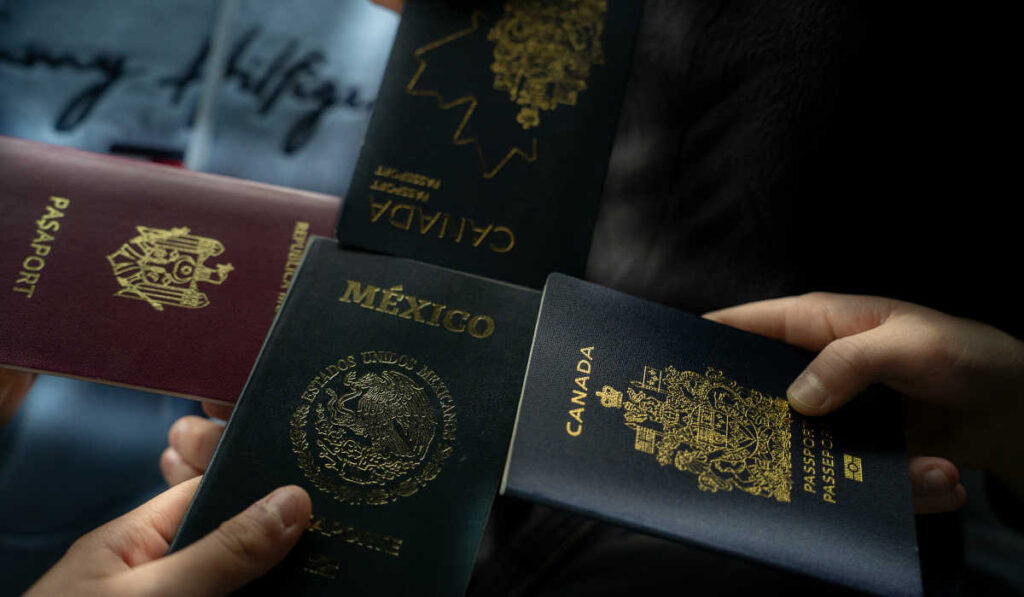
Identity verification is a standard requirement at UK-licensed online casinos. Operators must verify a customer’s age and identity before allowing them to gamble.
Additional anti-money-laundering, source-of-funds or source-of-wealth checks may be required when legal or risk concerns arise. These requests are not automatically a sign of misconduct.
Verification becomes a warning sign when requirements are unclear, contradictory or repeatedly changed after a withdrawal is requested.
Look for:
- Repeated requests for the same accepted document
- No published explanation of the verification process
- Insecure document-upload methods
- Vague rejection messages
- Conflicting instructions from support agents
- No reasonable indication of review times
- New requirements introduced without explanation
Confirm the casino’s license and secure upload process before submitting sensitive documents. Complete legitimate verification requests as early as reasonably possible rather than waiting until a large withdrawal is pending.
Red Flag #5: Game Providers and Fairness Information Cannot Be Confirmed
Professional-looking graphics do not prove that casino games are authentic or fair.
Players should look for recognized software providers, clear game rules and published Return to Player information where applicable. RNG-based games should operate under the technical standards of the relevant regulator, while live dealer games follow different monitoring and operational procedures.
Potential warning signs include:
- Misspelled or altered provider names
- Missing game rules
- Unexplained or absent RTP information
- Games loading from suspicious domains
- Copies of familiar titles with changed branding
- Certification claims that cannot be connected to a recognized test house
Not every legitimate game will provide a public certificate that players can open. Licensing status, accurate game rules and clearly presented RTP information are more useful checks than a testing logo alone.
Red Flag #6: Customer Support Cannot Explain the Rules
Test customer support before depositing. Ask a specific question about withdrawal processing, verification documents, bonus restrictions, account closure or complaints.
Response speed is less important than accuracy and consistency. A slower answer based on written terms is more useful than an immediate scripted response that avoids the question.
Warning signs include:
- Different agents providing contradictory answers
- Support refusing to reference published rules
- No clear complaints process
- Agents unable to identify the legal operator
- Repeated generic replies
- Unclear information about account closure or self-exclusion
Player reviews can also provide context, but they should be assessed carefully. One complaint from a customer who lost a bet does not prove operator misconduct. Repeated reports describing the same unresolved withdrawal or verification problem deserve more attention.
Red Flag #7: Player-Control Tools Are Hidden or Difficult to Use
A regulated casino should provide the player-protection tools required by its licensing jurisdiction. Depending on the regulator, these may include financial limits, time-outs, self-exclusion, session information and links to support services.
Players should be able to find and activate relevant controls without unnecessary obstacles.
Check whether the platform offers:
- Deposit or financial limits
- Session reminders
- Temporary time-outs
- Self-exclusion
- Account-closure options
- Links to gambling-support organizations
These tools cannot eliminate gambling-related harm, but they give players practical ways to manage spending, playing time and access to the account.
A casino should be treated cautiously if basic controls are hidden, require unnecessary contact with support or involve a complicated approval process.
A Five-Minute Pre-Deposit Check
Before moving any part of a bankroll, complete these seven checks:
- Identify the legal operator and registered trading name.
- Verify the license and exact domain through the regulator.
- Read the withdrawal rules and customer-funds disclosure.
- Review the bonus conditions and wagering requirements.
- Confirm the verification process and secure upload method.
- Check game providers, rules and RTP information.
- Locate financial limits, time-outs and self-exclusion tools.
It is also worth asking customer support one detailed policy question and searching for repeated complaint patterns.
Several warning signs appearing together are more important than one minor inconvenience. Unclear ownership, unverifiable licensing, changing verification requirements and repeated withdrawal complaints should stop a player from depositing.
When the Best Decision Is to Leave
Choosing a casino requires the same detachment poker players use when deciding whether to remain at a table.
One clearly disclosed processing period or routine identity check does not automatically make an operator unsafe. However, rules that unnecessarily restrict access to deposited funds, obscure the legal operator or make verification requirements unpredictable deserve closer investigation.
Protecting access to a bankroll is more important than chasing a large promotion, exclusive game or short-term offer. When the operator’s identity, license or withdrawal rules cannot be verified, the disciplined decision is to leave before depositing.
Gambling involves financial risk and is intended only for adults in jurisdictions where it is legal.