Warning: Undefined array key "post_type_share_twitter_account" in /var/www/vhosts/casinonewsblogger.com/public_html/wp-content/themes/cryptocurrency/vslmd/share/share.php on line 24
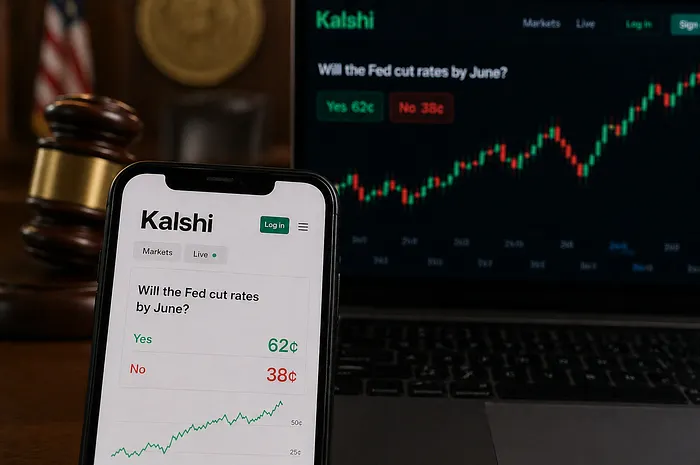
The latest clash between prediction market platforms and state legislatures has less to do with any intentional violation of the law and more to do with a debate over a fundamental question: Are these federally regulated markets, or gambling platforms?
In recent months, Arizona prosecutors have argued that platforms like Kalshi are, in practice, offering bets on elections, sports, and other events, activities traditionally governed by state gambling law. Kalshi, by contrast, insists it is operating a financial exchange.
As of this week, a federal judge has stepped in to the state case and temporarily blocked Arizona from enforcing its gambling laws against Kalshi, pausing the trial. This federal support has proved strong and critical to the prediction market industry as companies like Crypto.com, Kalshi, Polymarket, and Novig, offer sports-related markets to consumers and continue to blur the line between what is trading and what is betting.
So what is the difference?
Sportsbook Betting vs Prediction Market Trading
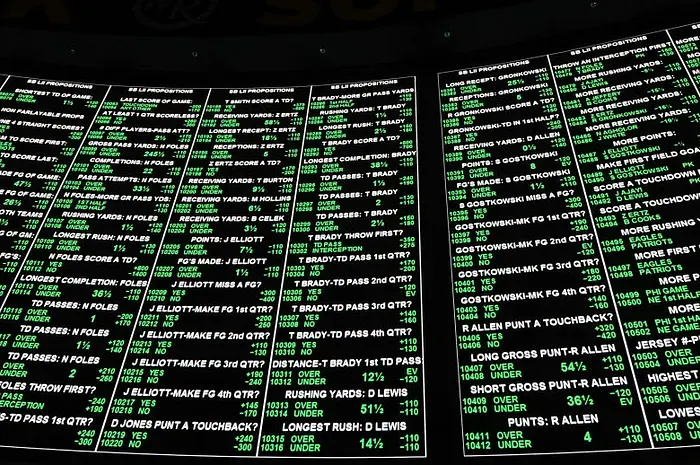
At a basic level, when you place a bet with a sportsbook, you are buying from the “vig”, an algorithm or pricing structure designed to give the house an edge. If you develop a system capable of exploiting inefficiencies in that pricing, an institution like DraftKings is free to limit or ban your activity.
An exchange operates in a fundamentally different way. It must be open to the public, meaning it cannot simply ban winning traders. Rather than betting against a house, users trade with one another, effectively entering into financial swaps, where one party buys “yes” by essentially selling “no” to another party on the outcome of an event.
Kalshi, in turn, primarily makes money through transaction fees it charges for facilitating the swap. Opponents of Kalshi reject the idea that the platform is not acting as the house. They point to Kalshi Trading, the firm’s affiliated market-making arm, arguing that it effectively functions as a counterparty to users and plays a significant role in setting prices.
In traditional financial markets, a market maker provides liquidity by continuously posting buy and sell orders at adjusting prices, allowing traders to enter and exit positions at any time. In the defense of exchanges, within trading communities, there is speculation that Kalshi Trading along with other internal market-making teams arenot profitable, though this remains unconfirmed.
Some believe exchanges are willing to operate at a loss in order to support volatile markets that external profit driven market makers would avoid, improving liquidity and overall user experience. Even as this system appears more transparent and beneficial for the public, than a traditional sportsbook, Kalshi’s own rhetoric has not always helped its case in legal matters. Advertisements suggesting that users can “bet in all 50 states” understandably raise concerns among regulators and consumers alike.
This blurring between financial markets and gambling is not new, but it is accelerating. In a world where brokerages like Robinhood offer highly speculative options trades, allowing an 18 year old to take a 3% chance on 50x his portfolio through out of the money Palantir call options, the idea that a parlay on a football game could be framed as a financial product no longer seems entirely far-fetched.
The Key Takeaway – Prediction Markets are Here to Stay
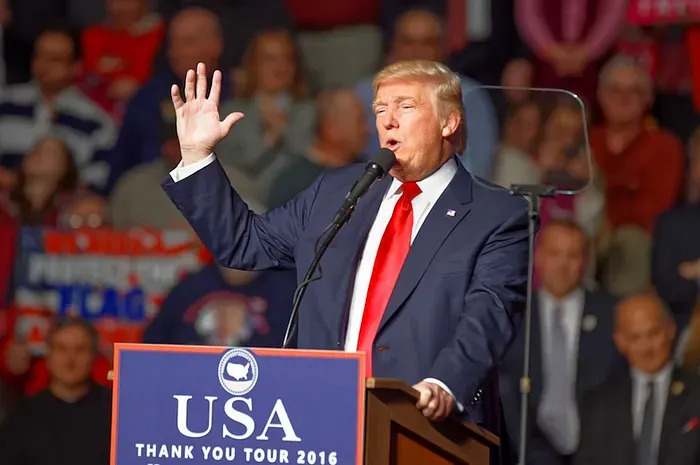
Whether or not one views this as a positive development, prediction markets are likely to remain accessible to adults across the United States for the foreseeable future. Both major exchanges have allies in high places. Donald Trump Jr. currently sits on the board of both Kalshi and Polymarket and has been a vocal supporter of the industry.
Meanwhile, Truth Social, in which the president’s family holds a significant stake, is exploring a launch of its own prediction market product, referred to as “Truth Predict.” The president’s friendliness coupled with his authority to appoint the chair of the Commodity Futures Trading Commission further reinforces the industry’s position at the federal level.
Still, there are cracks in that federal protection. A bipartisan effort in Congress suggests that the long term legal status of prediction markets remains far from settled. Senators Curtis and Schiff have introduced the “Prediction Markets Are Gambling Act,” legislation that would place stricter rules or limits on the role of the Commodity Futures Trading Commission in overseeing these platforms and could reshape the regulatory landscape entirely.
Prediction markets involve risk and are not suitable for everyone. While many platforms offer tools to make informed trades, outcomes are never guaranteed, and users should never risk more than they can afford to lose. Always trade responsibly. Additionally, platform availability and legal status vary by region. It is your responsibility to check local laws and verify that you are legally allowed to use a given platform before participating.
Read our full affiliate & risk disclosure.